
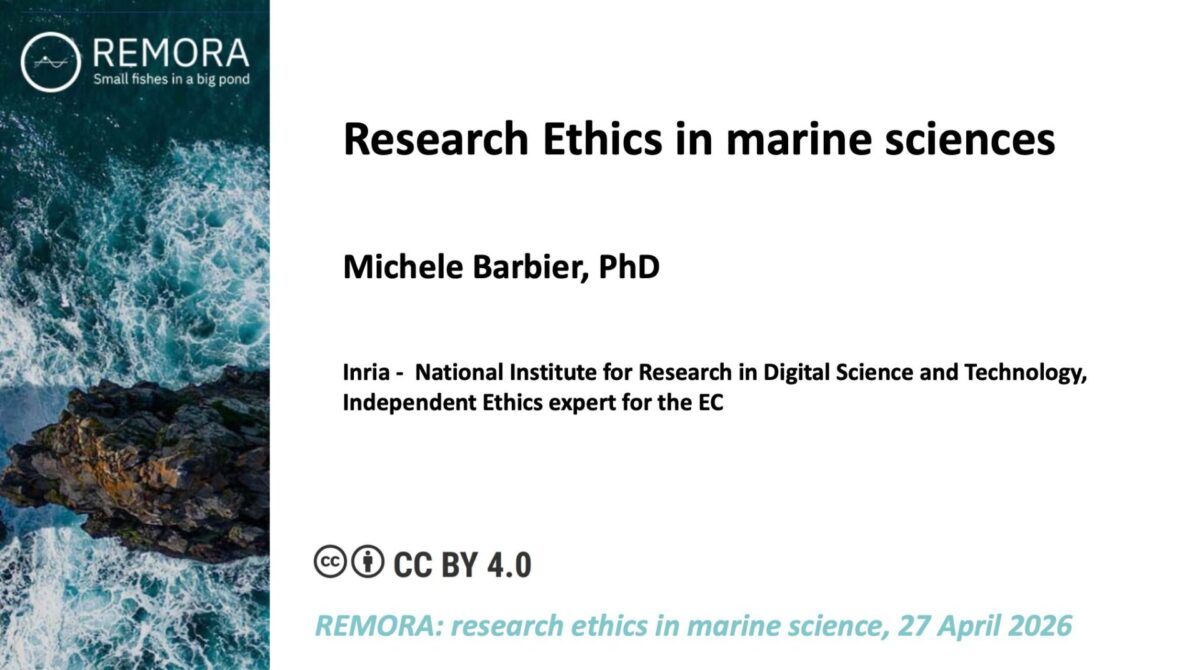
The third session of the REMORA Online Training Program 2026 has been successfully completed. Spread across two days, it marked a significant shift in the series: after the first two sessions equipped participants with the strategic mindset and practical writing skills needed to develop competitive Horizon Europe proposals, Training #3 turned to the broader responsibilities that come with conducting and communicating research to the highest standards
Day 1 – Research Ethics in Marine Science
The first day, held on 27 April, was dedicated to Research Ethics in Marine Science and led by Michèle Barbier, a leading expert on EU ethics frameworks and responsible research and innovation (RRI), from INRIA. Drawing on her extensive experience in European project governance and marine science policy, she guided participants through some of the most pressing ethical challenges facing marine and outermost region researchers today: responsible conduct within the Horizon Europe framework, conflicts of interest, the management of sensitive environmental data on endangered species and fragile ecosystems, and the ethical implications of emerging technologies such as AI, autonomous underwater vehicles, and drones. The science-policy interface and the responsibilities of scientific communication were also central to the discussion.
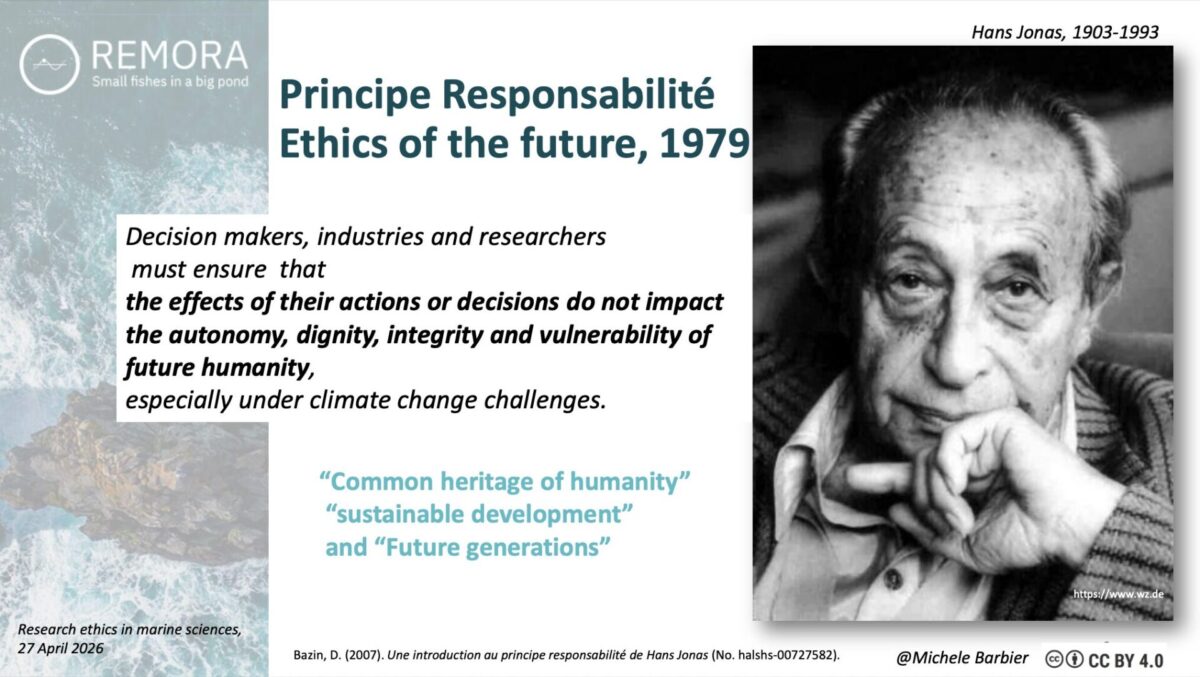
Day 2 – Research Data Management in the Geosciences
Building directly on those foundations, the second day focused on Research Data Management (RDM) in the Geosciences, co-led by Federica Tanlongo (EPOS ERIC) and Kety Giuliacci (INGV & EPOS IT Unit). Their combined expertise in geoscience research infrastructures gave participants a structured yet highly practical introduction to the full data lifecycle – from collection and processing to long-term preservation and reuse. Key topics included Open Science and FAIR principles, legal and ethical dimensions of data regulation, major geoscience data portals such as EPOS and OBIS, and the step-by-step implementation of Data Management Plans, now mandatory for all Horizon Europe projects.
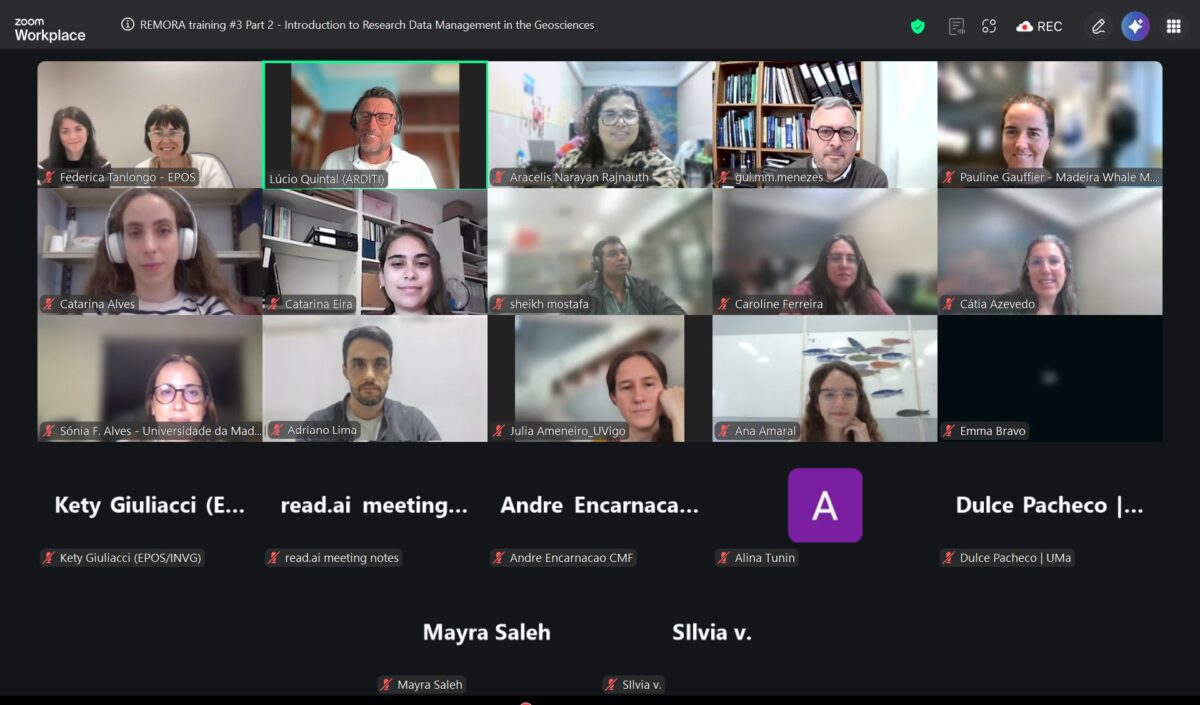
A coherent and growing programme
Together, these two sessions reflect REMORA’s commitment to equipping researchers and research support professionals from CITEB, OKEANOS, and OOM not only with proposal development skills, but with the ethical grounding and data stewardship practices that underpin credible, competitive, and responsible science. Supporting the adoption of open science principles across Europe’s outermost regions remains a core mission of the project.
Upcoming sessions will cover Knowledge Transfer, Scientific Communication, Science-Policy Dialogue, Leadership, and Gender in Marine Sciences – dates to be announced. Registration remains open, with priority access for staff from the three REMORA beneficiary institutions and a limited number of places for external participants.
Contact point : remora (a) arditi.pt


